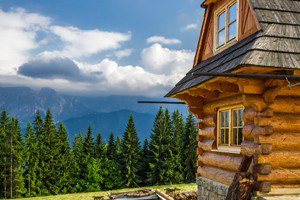


- Grand Teton National Park offers spectacular hiking, camping, rock climbing, fishing, canoeing, skiing, snowshoeing, and wildlife viewing.
- The Park offers hiking trails for all ages and abilities.
- Grand Teton National Park is open year-round. However, several entrances can be closed during winter weather as well as many of the visitor facilities.
Overview
Today, Grand Teton National Park covers a distance of over 300,000 acres and hosts about 2.5 million visitors a year. Visitors are attracted to the dramatic landscape of mountains that abruptly rise 7,000 feet above the valley floor. There are no foothills to ease the transition from valley to mountain, making the view of the Tetons all the more intense.
The summit of the Grand Teton rises to 13,770 feet, while the valley floor sits at 6,400 feet. Between the sagebrush valley floor and rocky mountain summits, grow dense forests. In the summers, wildflowers abound and glacial lakes are full. The winter months are harsh with whipping winds, snowstorms, and temperatures that often drop below zero degrees.
Hours/Seasons
Grand Teton National Park is open year-round. However, several entrances can be closed during winter weather as well as many of the visitor facilities.
Fees/Costs
Single entry: $25.00 - 7 Days
Good for both Grand Teton and Yellowstone national parks: $25.00 per vehicle; $12.00 per person for single hiker or bicyclist; $20.00 per motorcycle.
Winter Day Use: $5.00 - Day
Available from mid-December through April 30. Valid for Grand Teton National Park only.
Annual Pass: $50 - Annual
Contact
Grand Teton National Park
P.O. Drawer 170
Moose, WY 83012-0170
(307) 739-3300
Highlights
Within its many canyons and around its numerous lakes, Grand Teton Nation Park offers spectacular hiking, camping, rock climbing, fishing, canoeing, skiing, snowshoeing, and wildlife viewing.
Elk, deer, marmots, black bears, grizzlies, porcupines, and moose are just some of the wildlife to be seen on its trails.
The park provides trails for all ages and abilities. Go for a quick and easy hike to Bradley and Taggart Lakes, or take a few days to hike the Teton Crest trail that crosses the entire range. Take some photos or paint a picture. Whatever you do, it is worth taking the time to explore.
Getting Here
Driving routes between Grand Teton National Park and Bozeman include scenic roads through West Yellowstone or directly through Yellowstone National Park itself. Whichever path you decide to go, don't be in a hurry--you'll want to take the time to savor all the natural beauty and observe the wildlife along the way.
It will take you approximately 4 hours to travel from Grand Teton to Bozeman.