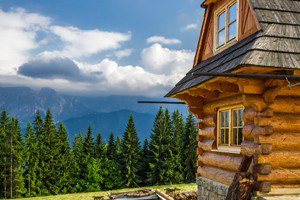


- The Bitterroot Mountains can be found approximately 240 miles northwest of Bozeman.
- There are exceptional outdoor recreational opportunities in the Bitterroot Mountains year round.
- The Mountains consist primarily of public lands and as such they are open free of charge.
Overview
The Bitterroot Mountains are part of the Rocky Mountains and can be found along the westernmost edge of Montana and in the panhandle of Idaho. The entire mountains range encompasses nearly 5,000 square miles.
The mountains are bordered on the north by Lolo Creek, on the south by the Salmon River, on the east by the Bitterroot River and Valley, and on the west by the Selway and Lochsa Rivers.
Hours/Seasons
The mountains are a place to enjoy year round. From scenic drives through the forests and hills, to off road adventure to include cabin and lookout rentals, camping, fishing, hiking, horseback riding, and in the winter, downhill skiing , snowmobiling, cross country skiing, and snowshoeing.
Fees/Costs
Most National Forests and Grasslands and Mountains, including the Bitterroots, are open, free of charge, for your use and enjoyment. Fees may be charged and permits required for some activities and locations. Business permittees, such as campground concessionaires and outfitter guides, may provide services to public land users for a fee.
Contact
Bitterroot National Forest
1801 North First Street
Hamilton, MT 59840
(406) 363-7100
Highlights
The abundance of natural resources found in the Bitterroot Mountains offers a wide range of opportunities for recreation, grazing, wildlife, fisheries, timber, and minerals.
Lewis and Clark Trail
Lewis and Clark blazed a trail through the Bitterroot Mountains and faced some of their severest challenges here.
Cabin and Fire Lookout Rentals
Choose from among several properties, from lonely fire lookouts perched atop a mountain to quiet primitive and rustic cabins nestled deep in the forest. Rental fees are used by the Forest Service to manage and maintain these historic cabins.
Lake Como Recreational Area
The area has three developed campgrounds, a large parking area, toilets, dressing rooms, a designated swimming area and a boat ramp.
Mountain Biking/Hiking
The US Forest Service maintains 3 mountain biking trails and there are numerous hiking trails.
Winter Recreation
The great thing about winter recreation in the Bitterroots is the access. In addition to backcountry skiing and snowboarding, trails and meadows are easily accessed by snow mobiles, cross-country skiers and snowshoers.
Getting Here
To get to the Bitterroot Mountains from Bozeman, head west on I-90. You can turn north just after Missoula onto HWY. 93 which connects you to MT. 200, bringing you through the valley between the Bitterroot Mountains and Cabinet Mountains.
You can also continue west on I-90 and turn east onto MT. 135 which connects to MT. 200 as well. The southern part of the Bitterroot Mountains is accessible if you turn south on HWY. 93 in Missoula.